

GA elect first northern Australian beef grazier director
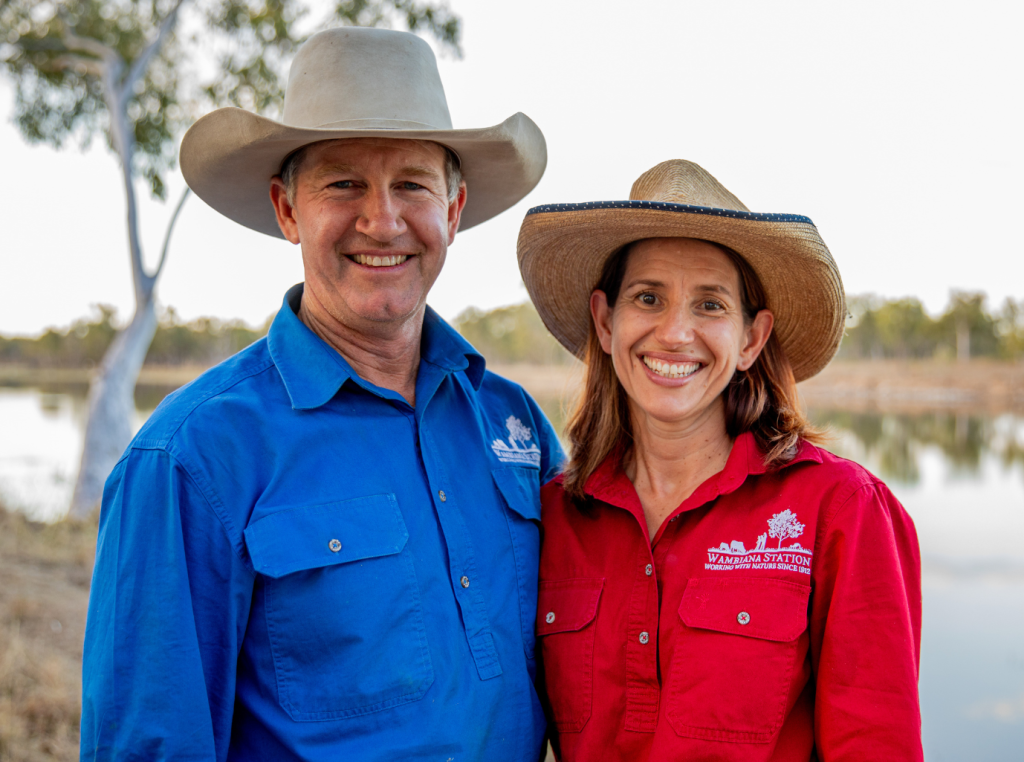
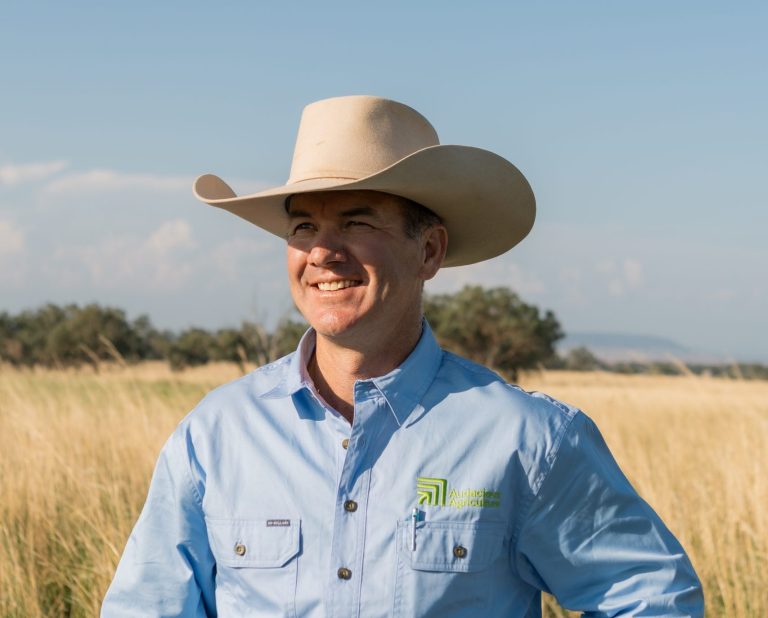
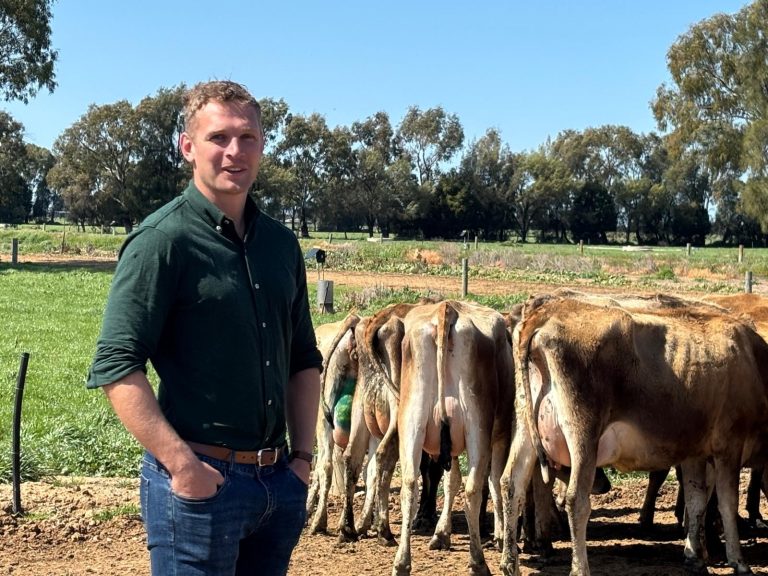
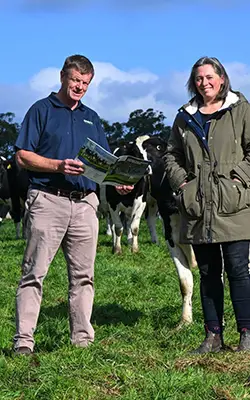
Genetics Australia’s first Northern Australian Board director, beef cattle grazier Michael Lyons, is well attuned to the benefits of good genetics.
A fourth-generation grazier at Wambiana Station, south of Charters Towers, Michael and his wife Michelle have seen the cumulative benefits of good genetic planning since buying the family property from his parents in 2018.
“Good genetics has compounding benefits,” he says. “If you have a long-term plan and stick to the plan, each generation should be better than the previous one.”
And that’s what Michael and Michelle are seeing on their 23,000-hectare seedstock operation, 4,500ha bull depot and 49,000ha leased properties where they run their commercial herd.
“We changed the direction of the seedstock business to objective selection using single-step genomic analysis originally, before moving to actually submitting raw phenotype records to the BREEDPLAN analysis,” he said. “We are avid users of Selection Indexes to ensure multi-trait selection when making mating decisions and this has driven progress in our herd.
“We’re now running a much larger business. When we took over eight years ago, we were producing about 800 calves a year; this year it’s 1850.”
Wambiana Station has been owned by the Lyons family since 1912. This year they’re running about 6000 cattle
and selling polled Brahman bulls with well-recorded, predictable, genetics across northern Australia. They are also developing a polled Wagyu commercial herd for diversification.
Michael is no stranger to breeding and industry roles.
In 1996 he graduated with a Bachelor of Agricultural Science from the University of Queensland and from 1998 – 2002 worked for RCS Australia before returning to the family business. Although this is his first Board appointment, Michael completed the Australian Institute of Company Directors course in 2020.
From 2014-2024 he was the Northen Australian beef representative on MLA’s National Livestock Genetics Consortium which set the direction of beef genetics research in Australia. He chaired the North Qld Beef Research Committee for 10 years and is a founding member of Frontier Genetics, a group of 10 Brahman Studs who share genetics as a breeding group, market together through an annual online sale and promote the use of EBVs and Indexes as tools to select cattle based on their genetic merit. In 2025 Frontier Genetics was awarded an MLA project to develop an innovative reference population to ground truth genomic predictions and complement other research programs like the Repronomics Project.
In 2014, Michael was awarded a Nuffield Scholarship to research selection of fertile, adapted cattle, and investigate rotational grazing systems, polled genetics and enterprise stacking.
One of only a handful of Nuffield Scholarship “couples”, Michelle is a 2026 Scholar, currently completing her Nuffield research into how farmers in other parts of the world connect with students to advocate for agriculture.
Like genetics, educational tourism is close to their hearts with Wambiana offering educational outback stay experiences for groups and students for the past 25 years.
“We host up to 700 students a year and Michelle is looking at how that can be done differently,” Michael said. “We’d like to see more ag in the school curriculum. Most students have the opportunity to visit Canberra but it would be great to see every student go to a farm during their primary schooling to learn about where their food comes from.”
Michael is excited to join the Genetics Australia board as it turns focus towards the Northern Australian beef industry.
“I am very interested to understand genetics at the international level through GA’s partnership with URUS,” he said. “With the ability to identify high-performing cattle and then the opportunity to use AI and IVF to multiply those animals, genetic progress offers a lot of opportunities for the beef industry.
“We’ve certainly had some constraints in the North, due to the distances and highly variable climate that we’re working in, however the opportunity to breed animals that are well adapted and high performing has the potential to help families run more profitable businesses.”
In his own business, Michael particularly focuses on breeding for fertility, good growth to a moderate frame size, and polledness. “Fertility is a key profit driver for us in the north, even more pronounced than southern Australia because the Indicus breeds are not traditionally known for their fertility,” he said.
“We aim to find animals that can produce a calf every year in our environment, without a lot of inputs. We’re producing a lot more calves now through being focused on selecting bulls with good fertility and using objective data. All the bulls we use in our herd are bred from cows that have produced a calf each year in our environment.”
“Genetics is a positive and proactive area of our business, so joining the Genetics Australia board is an exciting opportunity. I’m keen to play a part in continuing to improve genetics in the north.”