


Aussie Jersey dominates
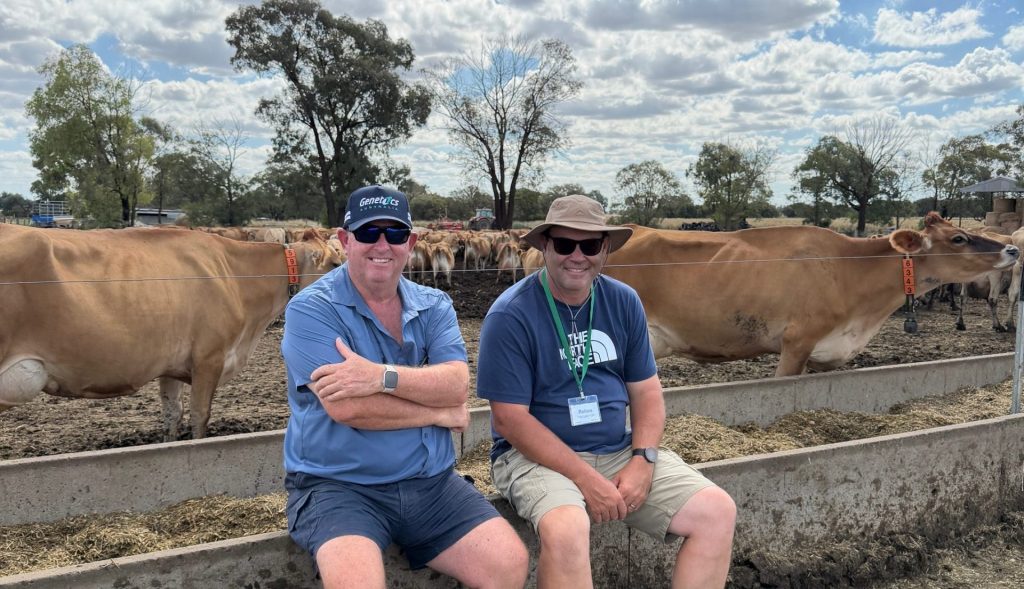
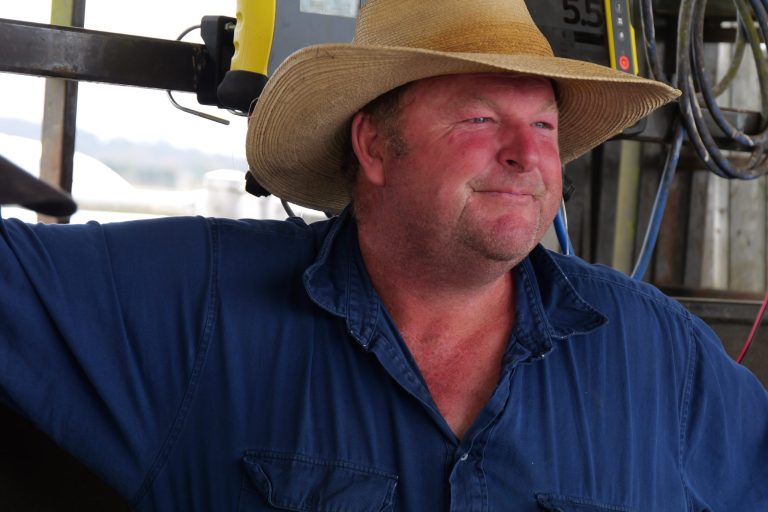
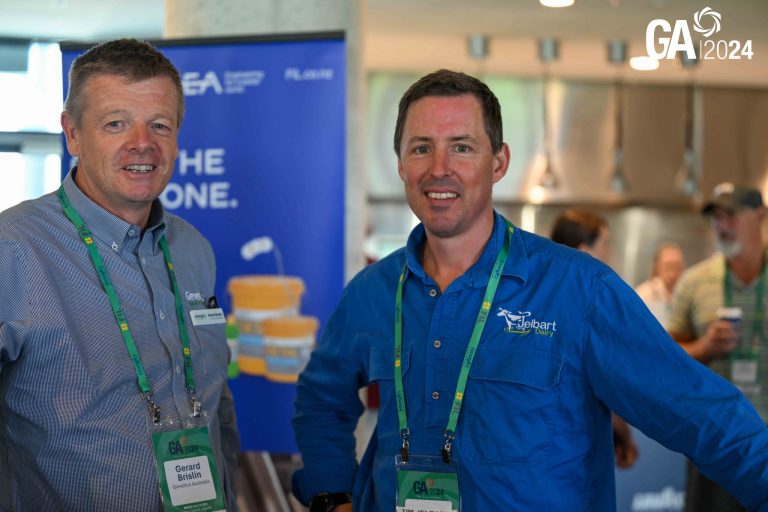
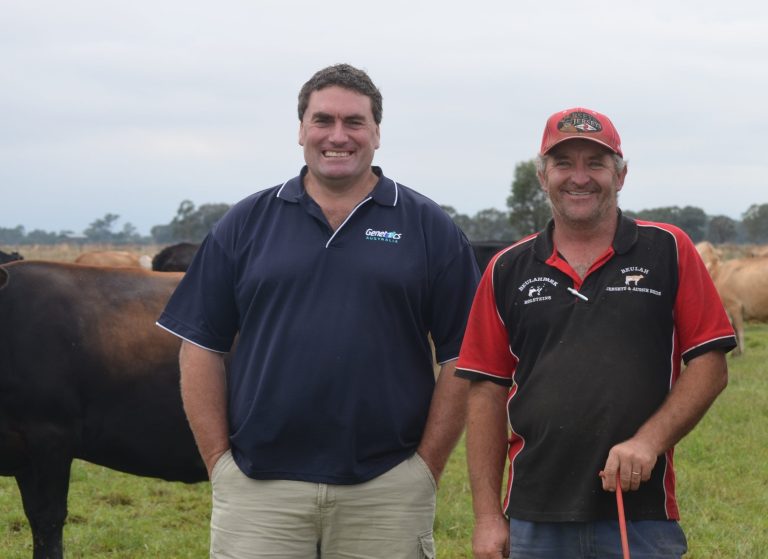
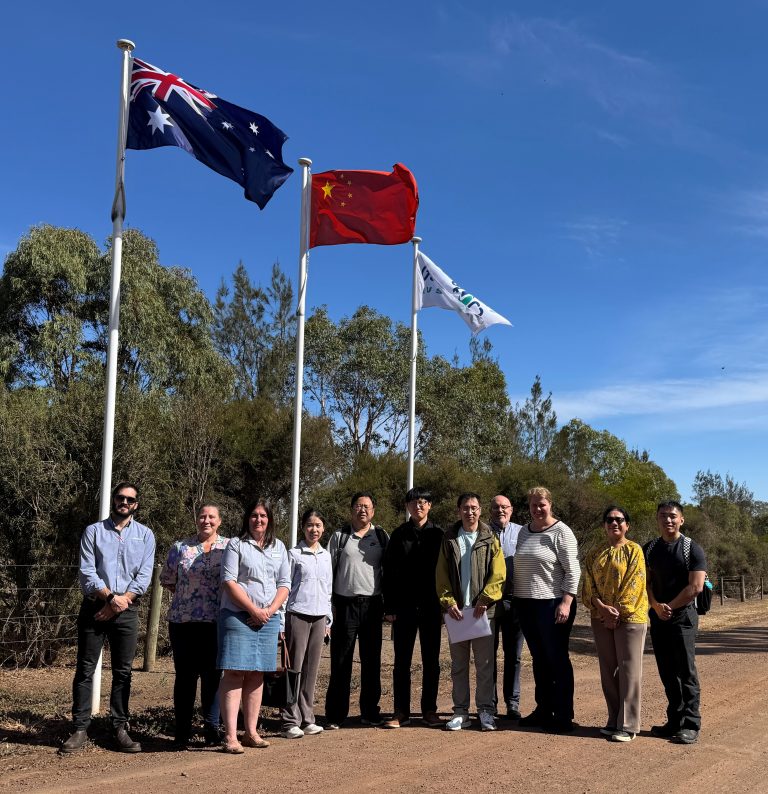
More than half of South African dairy farmer Rohan Herselman’s 2500 Jersey cows come from Australian semen and the percentage is set to grow. Rohan and a group of South African farmers recently joined semen sales person and Jersey specialist for CRV Xseed Robert Bosch on a tour of Victorian farms hosted by Genetics Australia. He farms on South Africa’s Western Cape, milking 2500 Jersey cows on a 1150-hectare pasture-based system in a share milking arrangement for Lancewood Farm. The total multi-purpose farm covers 2000 hectares and also has avocados, macadamias and a guest house.
Under South Africa’s share milking system, the land and cows are the owner’s property and Rohan runs the business for a percentage of the profits. Despite the big numbers, Rohan says it’s an easy system with all animals on pasture, except calves from birth to two months.For the past 12 years, Rohan sourced a lot of Australian genetics through CRV Xseed, Genetics Australia’s South African distributor. “I started it because Australia has the same way of pasture-based farming. This year I want to use close to 100 per cent Australian genetics. Genetics Australia has quite a few good bulls available and there are good opportunities.”
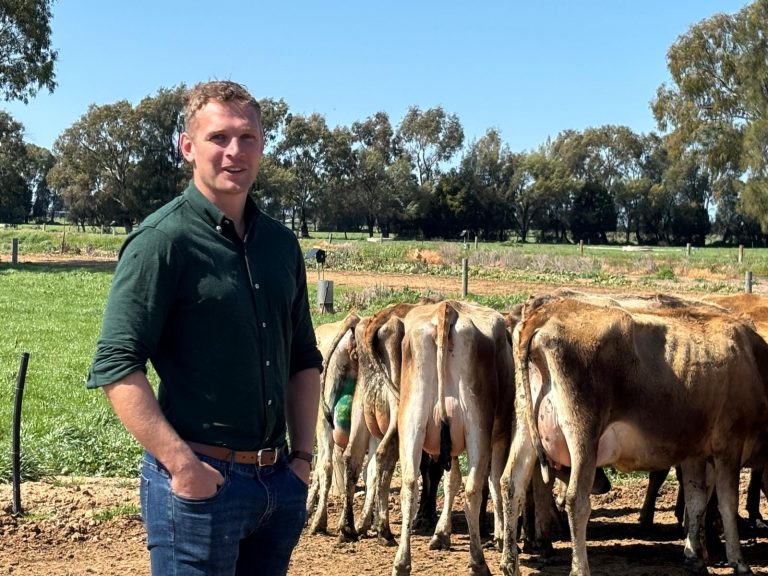
So far, he has lined up Ventura P, Imperial P, Irymple and wants to use one bull from New Zealand. “We’ve got a lot of good cows and good results from Australian semen with butterfat, protein and litres. I’ve got no complaints.” The trip was a chance to see Australian genetics at work in their home environment. “I wanted to see how it looks there, how the cows are going and how the cow families look,” he said. “There are some brilliant cows and cow families that were nice to see.”
The farms are similar to South Africa, with pasture-based systems, and a mix of breeders, commercial farmers, and young and older farmers at the helm. “The big difference is Australian farmers tend to do the work themselves due to cost and availability of labour, whereas we have quite a few staff to do a lot of the physical work. We could be complicating it too much. You guys keep it simple – eat grass, fed concentrates and do the minimum. “It was good to see the energy of young people coming through. You know the dairy industry has a good future.”
Rohan said some farmers he visited were worried about fertility and hoped to improve it with American semen, but he thinks Australian semen and good management can solve any problem. “More than half our herd is Australian genetics and we’ve got top results in South Africa with fertility, plus high milk, high solids,” he said. “We have some of the best results in the world.”
Rohan takes a holistic approach to breeding. “You can’t just fix it with semen – you have to feed and manage the cow to ensure it is in good condition. You can’t breed a beautiful cow and not feed her well and think she’s going to do it by herself. However, he stressed that he was impressed with Australian farmers. “I think there are some small things certain farms can do better, but I realise Australia has just been through a drought for two years,” he said. “It’s in everyone’s interest to do it better and we all need to keep learning.”
In the future, Rohan wants to visit New Zealand and would like to send key staff members to Australia. “It was a wonderful trip and I thank Rob Derksen and the whole team for the hospitality and hosting the tour. It was top class.”